
There's a treat that professional dog trainers reach for again and again — at gundog trials, obedience competitions, and working dog training sessions across Ireland and the UK. It's not a gourmet flavour-infused biscuit. It's not a freeze-dried novelty. It's lung: a single-ingredient, dried organ meat that most everyday dog owners walk straight past in the pet shop.
That's a mistake worth correcting — though like any training treat, knowing how to use it correctly matters just as much as knowing why it works. Beef lung, lamb lung, pork lung — the source animal varies, but the principle is the same. Lung is one of the leanest, highest-protein organ meats available, and when dried, it becomes a light, highly aromatic treat that dogs find genuinely compelling. If you've been relying on the same commercial treat for every session, or you've noticed your dog's enthusiasm dropping off mid-training, lung treats might be exactly the upgrade your kit needs.
Here's everything you need to know — what lung treats are, why they work, how the different varieties compare, and critically, how to use them correctly so they actually help your training rather than interrupt it.
What Are Lung Dog Treats?
Lung treats are exactly what they sound like: the lung tissue of an animal — cattle, lamb, or pork — trimmed, cleaned, and dried for use as a dog treat. It's an organ meat — technically classified as offal — but unlike liver or kidney, which have strong, rich flavours and higher fat content, lung is light, airy, and surprisingly mild.
When air-dried, lung puffs up into a spongy, almost foam-like texture. You might see beef lung sold as 'beef puffs' or lamb lung sold as 'dogshmallows' for this reason. Despite the airy appearance, dried lung is a firm, crunchy treat that requires your dog to actually chew it. It is not soft. This is the most important practical point to understand before your first training session with them.
All three varieties are a natural byproduct of the meat industry — a part of the animal that might otherwise go to waste — which also makes lung one of the more sustainable natural dog treat choices available.
The Nutritional Profile: Why Trainers Love Lung
The reason lung treats have become a staple in professional dog training comes down to their nutritional makeup. They offer a combination that's genuinely rare in the treat market:
- Very high protein content — beef lung typically delivers around 69% crude protein on a dry matter basis; lamb lung comes in even higher at around 72.5%
- Very low fat — usually under 5%, and as low as 1.4% in beef lung, which is exceptional for a meat-based treat
- Low calorie density — because lung is mostly protein and air, you can give a lot of pieces without meaningfully impacting your dog's daily calorie intake
- No fillers, grains, or additives — when made correctly, it's a single-ingredient product
This combination matters enormously during training. You want a treat that motivates your dog without filling them up or loading unnecessary calories into their day. Lung treats tick every one of those boxes.
Beef Lung, Lamb Lung, and Pork Lung: How Do They Compare?
Protein Content
Lamb lung tends to come in slightly higher on protein by dry weight — around 72.5% compared to beef lung at approximately 69%. Pork lung sits in a similar range. In practical terms, all three are excellent. The difference isn't significant enough to drive your decision on nutrition alone.
Protein Source — Useful for Allergy Management
This is where the distinction becomes genuinely important. If your dog has a known sensitivity or intolerance to beef, lamb lung offers a high-value alternative without sacrificing the training benefits of the format. Conversely, if your dog has been identified as lamb-sensitive, beef lung is the natural choice. Having all three available in your rotation gives you real flexibility — particularly for dogs undergoing elimination trials.
Aroma and Palatability
All three varieties are highly aromatic — a key quality for training treats, where scent is a significant part of what holds your dog's attention in distracting outdoor environments. Individual dogs may show a preference for one over the other, though most respond enthusiastically to all three.
Size and Format
Product formats vary. Beef lung tends to be available in larger puff-style pieces. Lamb lung is often sold in smaller, pre-portioned pieces — the 'mini' format — which makes them particularly well suited to puppies, small breeds, and rapid-fire training sequences where you need tiny rewards delivered quickly.
Understanding the Texture: Crunchy, Not Soft
This is the most important practical point about lung treats, and the one most owners don't fully appreciate before their first training session with them.
Dried lung is a firm, crunchy treat. Despite being lightweight and airy in structure, it is not soft — and it should not be treated like a soft training morsel that a dog can swallow instantly. Your dog will need to chew it.
Why does this matter for dog training? Because if a dog attempts to swallow a piece of lung treat whole rather than chewing it properly, the dry, porous texture can cause coughing — which immediately interrupts the training sequence. You lose the reward moment, the dog's focus breaks, and the session stalls. In a high-repetition training session where timing is everything, that interruption costs you.
The solution is straightforward: use smaller pieces. Break lung treats into appropriately sized portions before your session — pieces small enough that your dog chews and swallows comfortably without being tempted to gulp. The pre-portioned mini formats of lamb and pork lung are already well sized for many dogs. Once your dog is used to the treat and you've found the right piece size for their size and chewing style, lung treats work extremely well in training.
How to Use Lung Treats Effectively in Training
- Break pieces before the session — don't rely on breaking them mid-session with one hand while your dog is distracted. Prepare your treat pouch in advance with appropriately sized pieces.
- Introduce them at home first — let your dog encounter the treat in a calm, low-distraction environment before using them during formal training. This lets them learn the chewing rhythm without the pressure of a training context.
- Match piece size to your dog — a Labrador and a Cocker Spaniel need very different piece sizes. Start smaller than you think necessary and adjust up if needed.
- Use them for reward moments, not rapid-fire repetitions — lung treats shine as a higher-value reward for a particularly good response, rather than as a constant stream of tiny markers. For very high-repetition work, a softer treat may serve you better alongside lung treats for the standout moments.
- Pair with a soft treat if needed — some trainers use a soft treat as the primary marker reward and a piece of lung as the jackpot for exceptional performance.
Which Dogs Benefit Most From Lung Treats?
High-Drive Working and Sport Dogs
Gundogs, herding breeds, and dogs competing in obedience or agility need a treat that can keep pace with intensive training. The high protein content supports muscle function, while the very low fat keeps them lean and focused. Used as a jackpot reward at the right moments, lung treats can significantly strengthen the behaviours you most want to reinforce.
Dogs on Weight Management Plans
If your vet has recommended your dog lose weight, you don't have to sacrifice treat quality. The very low fat content of lung treats makes them one of the most calorie-efficient high-value rewards available. Just be mindful of piece size, as you would with any treat.
Dogs with Food Sensitivities
Because quality lung treats are single-ingredient — just beef, just lamb, or just pork — they're among the cleanest options for dogs who react to common allergens like grains, dairy, or artificial additives. The ability to choose between three different protein sources also makes it easier to rotate treats without introducing unnecessary risk. Always check the label to confirm no additional ingredients are present.
Puppies Learning the Basics
Lung treats can work well for puppy training, but piece size is especially important with young dogs who haven't yet developed strong chewing habits. Use very small pieces, introduce the treat calmly before a session, and watch carefully the first few times to ensure your pup is chewing rather than attempting to swallow whole. The smaller pre-portioned lamb lung and pork lung formats are the more practical starting point for puppies and small breeds.
Lung Treats vs. Other Common Training Treats — An Honest Comparison
- vs. Soft training treats: Soft treats allow faster consumption and are better suited to very high-repetition, rapid-reward training. Lung treats complement them as a higher-value option rather than replacing them entirely.
- vs. Cheese: High-value and motivating, but also high in fat and calories. Useful for very high-stakes moments; not ideal for long sessions or weight-managed dogs.
- vs. Commercial baked training treats: Lower aroma, often contain fillers and grains, moderate motivation. Convenient but not the most effective option for serious training.
- vs. Liver treats: Liver is highly motivating and nutritious but much higher in fat — particularly vitamin A, which can cause issues if overfed consistently. Lung treats allow high-volume training without that concern.
How to Store Lung Treats
Dried lung treats are shelf-stable, which is one of their key practical advantages. Keep them in a cool, dry place — ideally in an airtight container or resealable bag once opened. Avoid leaving them in a warm car or damp environment, as moisture reabsorption can affect texture and shelf life. Pre-portion your pieces before packing your treat pouch for a session.
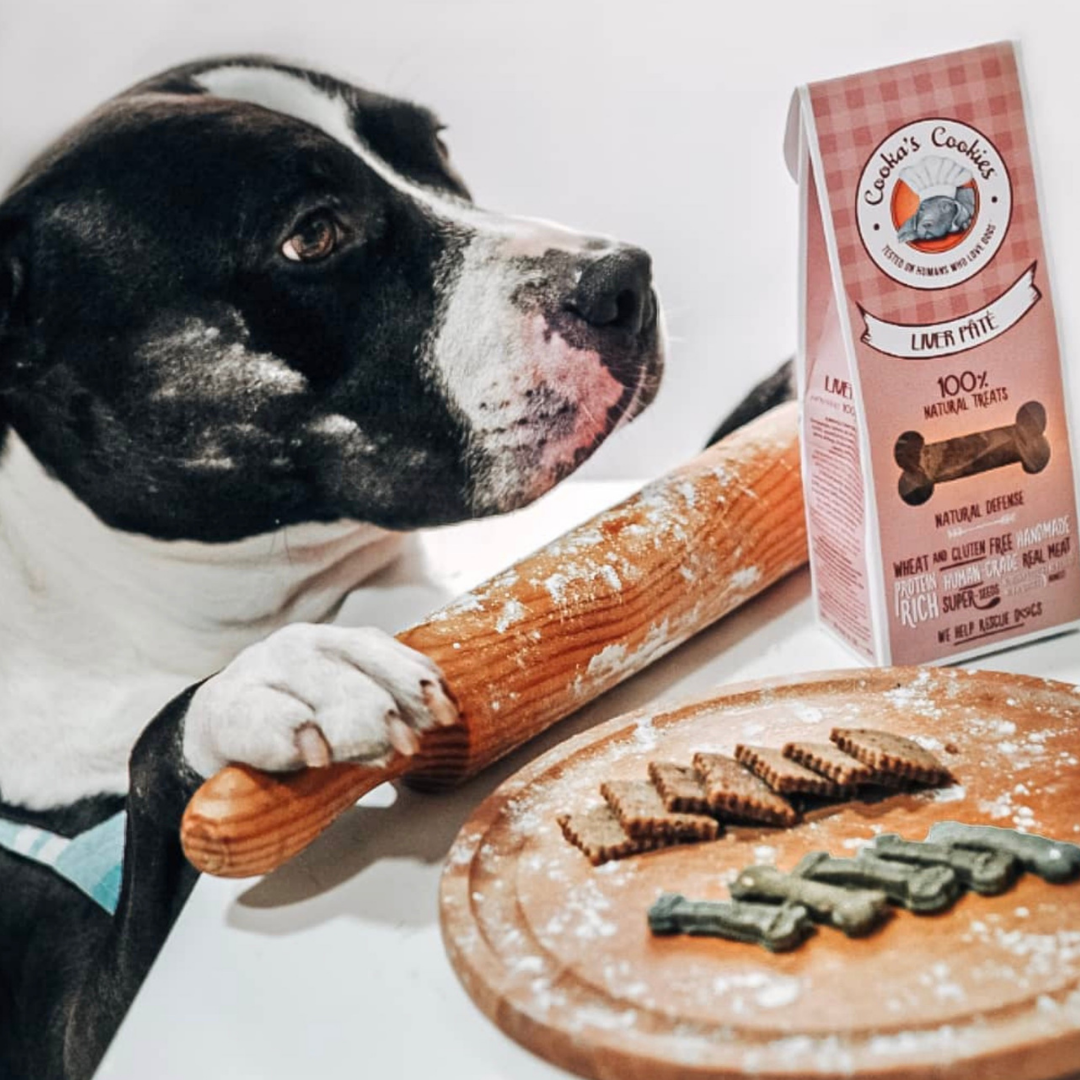
Try Cooka's Cookies Beef Puffs (€5.20) — 100% human-grade air-dried beef lung, 69% crude protein, just 1.4% fat. For a novel protein option, Loype Mini Dogshmallows Lamb Lung (from €4.50) deliver 72.5% crude protein in a pre-portioned mini format ideal for smaller dogs. And Loype Mini Dogshmallows Pork Lung offers the same high-protein, low-fat profile with pork as the protein source — check the Loype collection for availability.
Frequently Asked Questions
Are lung treats soft or hard?
Dried lung treats are crunchy and firm — not soft. Despite their lightweight, airy structure, they require your dog to chew them properly. If a dog tries to swallow a piece whole, the dry texture can cause coughing and interrupt the training session. Always use appropriately sized pieces, and introduce the treat in a calm setting before using it in formal training.
Are lung treats safe for dogs?
Yes — when sourced from quality suppliers and produced without additives, lung dog treats are safe for most healthy dogs. Always check that the product is single-ingredient with no preservatives or flavourings added. Use pieces sized appropriately for your dog to ensure they chew rather than gulp. If your dog has specific health conditions, check with your vet before introducing any new treat.
What is the difference between beef, lamb, and pork lung dog treats?
All three are high-protein, low-fat dried organ treats — the main practical difference is the protein source. This matters most for dogs with food sensitivities, where rotating between beef, lamb, and pork lung allows you to maintain treat quality while avoiding a known trigger protein. Most dogs respond well to all three.
Where can I buy lung dog treats in Ireland?
Dogs Shop Ireland, based in Rathangan, Co. Kildare, stocks beef lung (Cooka's Cookies Beef Puffs), lamb lung, and pork lung (Loype Mini Dogshmallows range) with delivery across Ireland — serving dog owners in Dublin, Cork, Galway, Limerick, Waterford, Kilkenny, Sligo, Drogheda, Naas, Navan, Ennis and Tralee. Visit dogs-shop.ie.
How much lung treat can I give my dog per day?
As a daily guide outside of formal dog training: up to 12 pieces for large/XL dogs, up to 8 for medium dogs, and up to 5 for small dogs. On intensive training days where treat volume is higher, adjust the main meal slightly to compensate. Because lung treats are very low in fat and calories, they give you considerably more flexibility than richer treats like cheese or liver.
Proudly serving dog owners across Dublin, Cork, Galway, Limerick, Waterford and all of Ireland from our Rathangan, Co. Kildare shop, with fast nationwide delivery. Visit dogs-shop.ie.