
Beetroot doesn't get the attention it deserves in canine nutrition. While omega-3, probiotics, and joint supplements dominate the conversation, this deep purple vegetable is quietly one of the most nutrient-dense additions you can make to a dog's diet — and one of the most overlooked by dog owners across Ireland.
Most dog owners who encounter beetroot as a dog supplement have one immediate concern: is it safe? The answer is a straightforward yes. Once you clear that hurdle, the more interesting question becomes what beetroot actually does — and it turns out there's quite a bit worth knowing.
Is Beetroot Safe for Dogs?
Yes — beetroot is safe for dogs when given in appropriate amounts. It is not toxic, not allergenic in most dogs, and has no known adverse effects when used as a supplement at reasonable portions.
The one thing that surprises owners the first time is the colour. Beetroot contains betalains — the pigments that give it its deep red-purple colour — which pass through the digestive system and can temporarily turn urine and stools a reddish-pink. This is harmless and temporary, but worth knowing in advance so it doesn't cause unnecessary alarm.
The other thing to be aware of is sugar content. Beetroot contains natural sugars — higher than many vegetables — which is why it's used as a treat or supplement in controlled amounts rather than a staple food. Dogs with diabetes or those managed for weight should have it introduced with awareness of this.
The Nutritional Profile: What Beetroot Actually Delivers
Beetroot's nutritional value is genuinely impressive, especially for a plant-based supplement:
- Folate (Vitamin B9): supports cell division and DNA synthesis, important for puppies and pregnant dogs
- Manganese: involved in bone formation, enzyme function, and antioxidant defence
- Potassium: supports heart function, muscle contraction, and fluid balance
- Iron: contributes to healthy red blood cell production
- Dietary fibre: supports digestive health and regularity
- Betalains and other antioxidants: help neutralise free radicals and reduce oxidative stress
- Natural nitrates: support blood oxygenation and cardiovascular function — the same reason human athletes use beetroot juice
This combination makes beetroot particularly interesting as a BARF or raw feeding supplement, where filling nutritional gaps with whole-food sources is a core principle. Air-dried beetroot delivers this profile in a stable, convenient format.
The Key Benefits for Dogs
Digestive Support
The fibre content in beetroot supports healthy gut function and regular stools. For dogs prone to inconsistency, adding a fibre-rich vegetable supplement can smooth things out over time. Beetroot also contains betaine, which supports liver function and helps with the metabolism of proteins and fats.
Antioxidant Activity
Betalains — the compounds that give beetroot its vivid colour — are powerful antioxidants. They help neutralise free radicals that accumulate through normal metabolic processes, exercise, and environmental exposure. For active dogs, working dogs, or older dogs where oxidative stress is a growing factor, antioxidant support has genuine relevance.
Blood Oxygenation and Stamina
Beetroot's natural nitrates are converted in the body to nitric oxide, which dilates blood vessels and improves oxygen delivery to muscles. This is well documented in human exercise science and is increasingly recognised in working and sport dogs. Gundogs, agility dogs, and other active breeds may benefit from improved endurance and reduced fatigue.
Anti-Inflammatory Properties
Betalains also have documented anti-inflammatory effects. While not as potent as curcumin (the active compound in turmeric), beetroot's anti-inflammatory contribution adds up meaningfully over time as part of a varied, natural diet. It complements rather than competes with other supplements like Golden Paste.
Raw vs. Cooked vs. Air-Dried Beetroot — Which Is Best?
Fresh raw beetroot can be given to dogs, but it's dense, takes time to prepare, and can be difficult for some dogs to digest without cooking. The hard cellular structure means fewer nutrients are readily available to the digestive system.
Cooked beetroot improves digestibility but loses some heat-sensitive nutrients in the process — particularly folate and certain antioxidants — and adds the inconvenience of preparation and refrigeration.
Air-dried beetroot hits the practical sweet spot. The low-temperature drying process preserves the nutritional profile much better than cooking, removes moisture for shelf stability, and concentrates the nutrients into a convenient, ready-to-use format. For dogs not on a raw diet, air-dried beetroot is the most practical way to add this vegetable consistently.
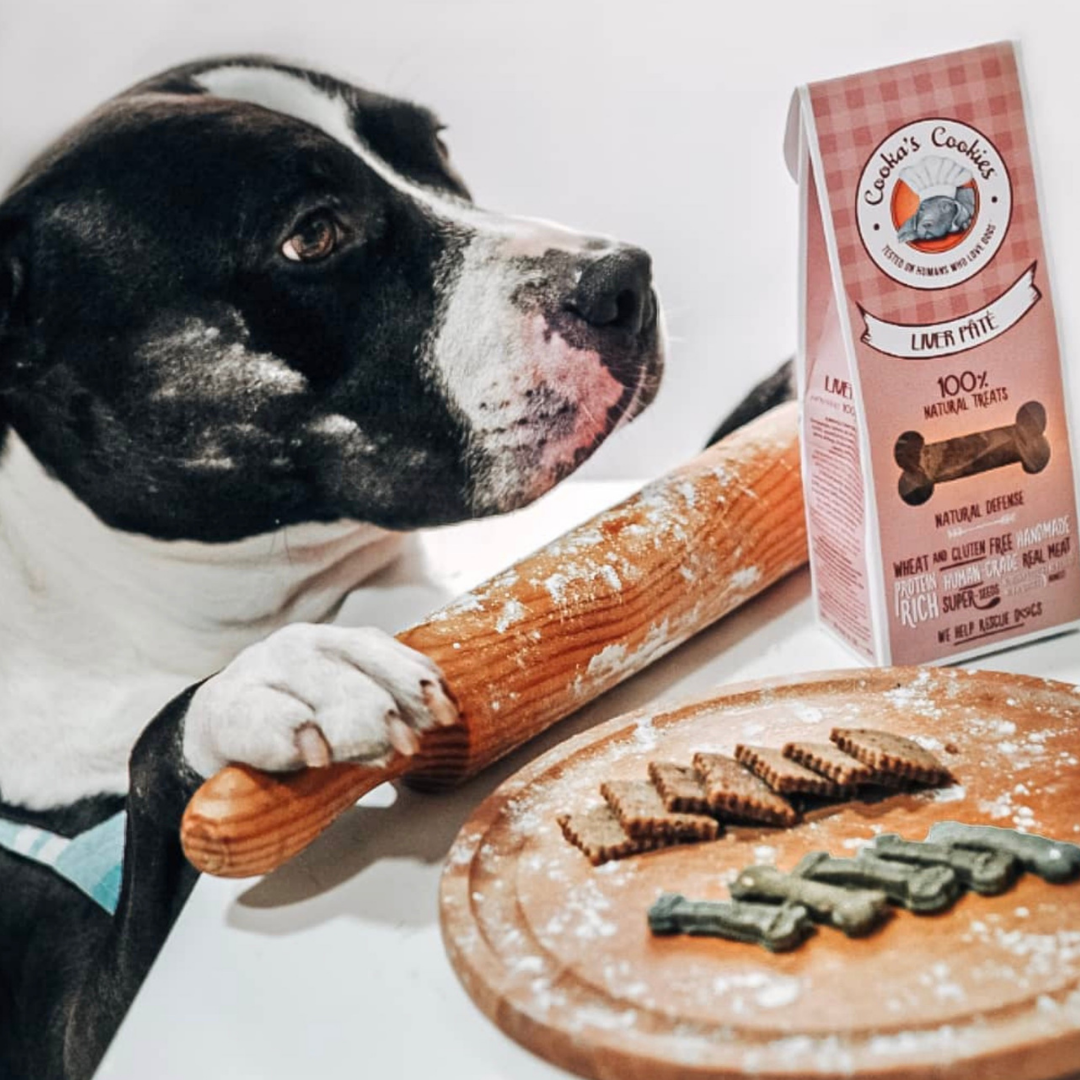
Cooka's Cookies Beetroot Bites (€6.55) are air-dried and rehydrate in 15–20 minutes with boiling water. Once soft, drain and mix into your dog's regular meal. Adding a small amount of coconut oil after rehydrating, as Cooka's recommend, enhances both the nutritional value and palatability.
How Much Beetroot Is Safe? Portion Guidance by Dog Size
Because of the natural sugar and fibre content, beetroot should be used as a supplement rather than a staple. A practical starting point:
- Small dogs (under 10kg): half a tablespoon of rehydrated beetroot, 2–3 times per week
- Medium dogs (10–25kg): 1 tablespoon of rehydrated beetroot, 3–4 times per week
- Large dogs (25kg+): 1.5–2 tablespoons of rehydrated beetroot, 3–4 times per week
Introduce gradually — start with smaller amounts to allow the digestive system to adjust before building to a regular portion. If you notice loose stools, reduce the amount and reintroduce more slowly.
The Red Urine and Stool Effect — What to Expect
Within 24–48 hours of a dog eating beetroot, urine and stools may take on a reddish or pink tint. In some dogs the colour is subtle; in others it can look quite dramatic. This is not a cause for concern. It is simply the betalain pigments passing through the digestive and urinary systems. It is harmless and temporary — colouration typically resolves within 24–48 hours of the last beetroot dose.
That said, if you ever notice truly red urine in a dog that hasn't eaten beetroot recently, or persistent dark red stools, that is worth a vet visit — those can be signs of blood in the urine or stool, which are unrelated to beetroot and require investigation.
How to Use Beetroot Bites in the Daily Routine
The simplest approach is to rehydrate Beetroot Bites and fold them into your dog's regular meal three to four times a week. The soft texture after rehydration makes them easy to mix thoroughly, and most dogs show no resistance to the mild flavour.
For dogs on BARF or raw diets, air-dried beetroot slots naturally into the supplement rotation alongside other whole-food additions. For dogs on commercial complete diets, it adds a meaningful nutrient contribution that most complete foods don't provide at meaningful levels.
Frequently Asked Questions
Is beetroot safe for dogs to eat every day?
Beetroot is safe for most healthy dogs, but because of its natural sugar and fibre content it's better used as a supplement 3–4 times per week rather than daily. Daily use in large amounts may cause loose stools in some dogs. Introduce gradually and monitor digestive response.
Why does my dog's urine look pink after eating beetroot?
This is completely normal and is caused by betalain pigments passing through the system. The condition is temporary and harmless, resolving within 24–48 hours. If you see red urine in a dog that hasn't eaten beetroot recently, that's different and warrants a vet visit.
Can beetroot help dogs with joint problems?
Beetroot has mild anti-inflammatory properties from its betalain content. It's not a primary joint supplement — Golden Paste or omega-3 would be stronger choices for that purpose — but it contributes to an overall anti-inflammatory diet and complements other supplements well. It works best as part of a varied, nutrient-rich feeding approach.
Where can I buy beetroot treats for dogs in Ireland?
Cooka's Cookies Beetroot Bites are available from Dogs Shop Ireland, based in Rathangan, Co. Kildare, with nationwide delivery serving dog owners in Dublin, Cork, Galway, Limerick, Waterford, Kilkenny, Sligo, Drogheda, Naas, Navan, Ennis and Tralee. Visit dogs-shop.ie.
Can I give my dog raw beetroot from the supermarket?
Yes — raw beetroot is safe for dogs. Grate or finely chop it before mixing into food to improve digestibility. Cooked beetroot (without added salt or vinegar) also works. Air-dried beetroot is the most convenient option as it has a long shelf life and rehydrates in minutes.
Proudly serving dog owners across Dublin, Cork, Galway, Limerick, Waterford and all of Ireland from our Rathangan, Co. Kildare shop, with fast nationwide delivery. Visit dogs-shop.ie.