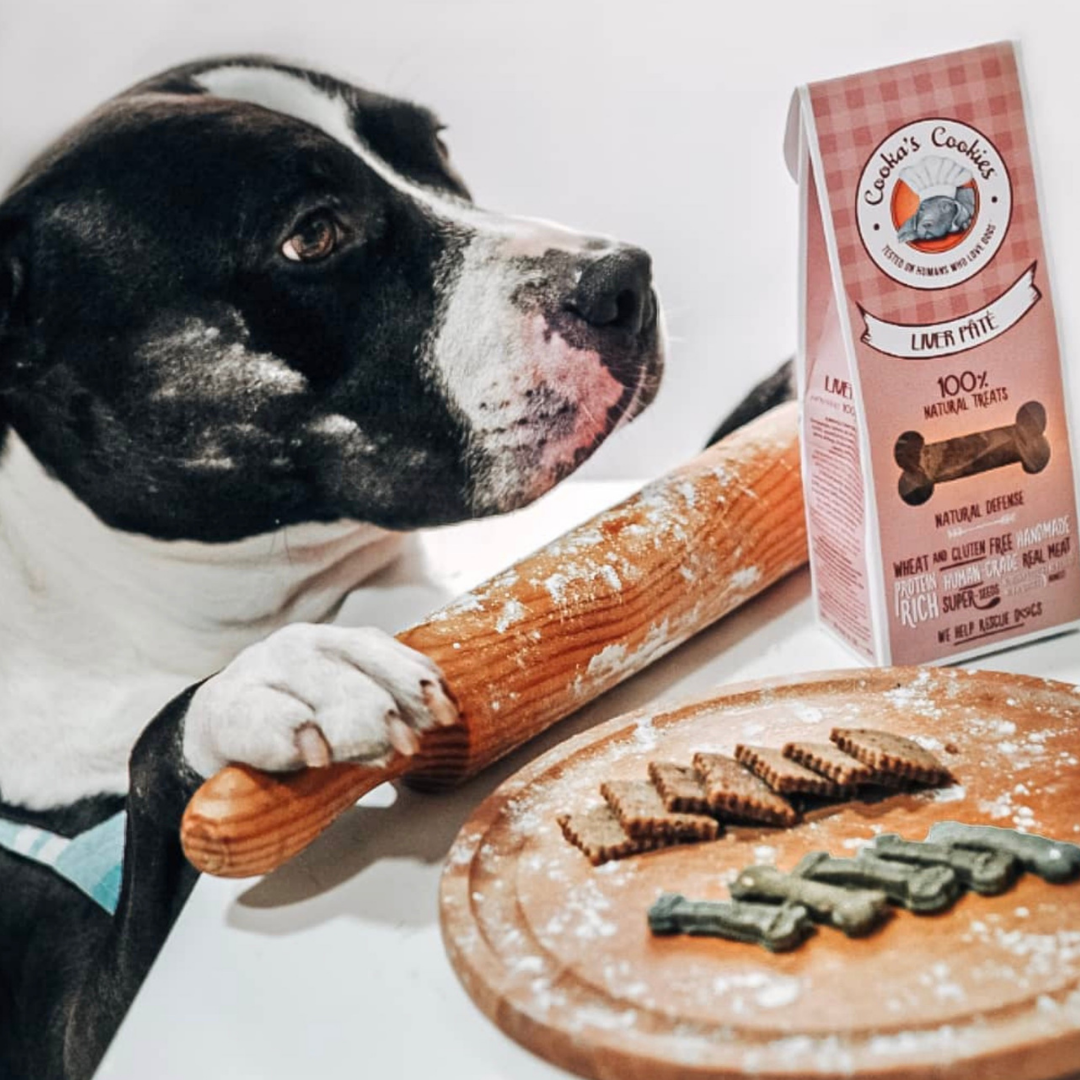

Most dog owners know omega-3 is good for their dog. Fewer know exactly what it does, which type matters most, or why a well-chosen fish treat can deliver it more effectively than a capsule added to a bowl.
This article covers the essential omega-3 for dogs science, explains the difference between EPA and DHA (the two forms that actually matter), and looks at how fish-based treats compare to fish oil supplements as a practical delivery method.
What Omega-3 Does in a Dog's Body
Omega-3 fatty acids are essential fats — which means the body cannot synthesise them and must obtain them from diet. In dogs, the most biologically relevant omega-3s are EPA (eicosapentaenoic acid) and DHA (docosahexaenoic acid), both of which come from marine sources.
Skin and Coat
EPA and DHA are structural components of cell membranes, including the skin cells. Adequate omega-3 reduces transepidermal water loss, supporting a hydrated, healthy skin barrier. In practical terms, this means less dry skin, reduced flaking, and a coat that holds its condition and lustre. Dogs deficient in omega-3 tend to have dull, coarse coats and are more prone to skin irritation and itching.
Joints and Inflammation
EPA in particular has well-documented anti-inflammatory effects. It competes with omega-6 fatty acids for the same enzymatic pathways that produce inflammatory signalling molecules, effectively dampening the inflammatory response. For dogs with arthritis, post-exercise soreness, or joint conditions, consistent omega-3 supplementation is one of the most evidence-backed interventions available — and is routinely recommended alongside veterinary treatment.
Brain and Cognitive Function
DHA is a primary structural component of brain tissue. In puppies, adequate DHA during development supports optimal neural development and trainability. In older dogs, DHA supplementation is associated with slower cognitive decline — maintaining problem-solving ability, memory, and responsiveness.
Immune System Function
Omega-3 modulates the immune response, supporting appropriate immune activation without contributing to chronic low-grade inflammation. This makes it relevant for dogs with allergies, autoimmune tendencies, or those recovering from illness.
Heart Health
EPA and DHA support healthy cardiac rhythm and blood vessel function. Long-term supplementation is associated with lower triglyceride levels and reduced risk of cardiac arrhythmias — a benefit recognised in both human and veterinary cardiology.
EPA vs. DHA: The Two That Matter Most
Plant-based omega-3 sources — including flaxseed and hemp, which appear in many dog foods — contain ALA (alpha-linolenic acid), a precursor omega-3 that dogs convert to EPA and DHA very inefficiently. The conversion rate in dogs is estimated at below 5%, which means plant-source omega-3 delivers minimal practical benefit compared to marine-source EPA and DHA.
This is why fish matters specifically, rather than any omega-3 source. If you're supplementing omega-3 for a concrete health reason — coat condition, joint support, cognitive health — you need marine-sourced EPA and DHA, not plant-based ALA.
Fish Treats vs. Fish Oil Supplements: Which Is More Effective?
Fish Oil Capsules and Liquid
Fish oil supplements deliver concentrated EPA and DHA in a measurable dose. This makes them useful for therapeutic supplementation where a specific target intake is needed. The downside is oxidation — fish oil goes rancid quickly once opened, and oxidised oil is not only ineffective but potentially harmful. Many owners also find liquid fish oil messy to dose accurately, and capsules can be difficult to hide in food without being rejected.
Fish Treats
Air-dried fish treats deliver omega-3 in the context of whole food — with naturally occurring protein, minerals, and other compounds present alongside the fats. The omega-3 in whole dried fish is more stable than extracted oil because the natural antioxidants present in the fish tissue protect the fats from oxidation. The treats are also easy to use, appetising to almost every dog, and integrate naturally into a training routine or daily feeding approach.
The trade-off is dosage precision — you can't measure EPA and DHA content in a fish treat the way you can with a supplement. For most healthy dogs requiring general omega-3 support rather than therapeutic dosing for a specific condition, this isn't a meaningful limitation.
Tuna vs. Cod vs. Salmon: Differences That Matter
Not all fish species deliver the same omega-3 profile. Cold-water, oily fish are the best sources — they accumulate EPA and DHA in their fat reserves as a survival mechanism in cold environments.
- Tuna: high in protein, moderate in omega-3. A strong training treat with excellent aroma.
- Cod: leaner than salmon or mackerel, good protein content. A milder flavour that suits dogs who find stronger fish overpowering.
- Salmon: the highest omega-3 content of commonly used fish treat species, with a very strong aroma that most dogs find compelling. The richness means it's best used as a high-value reward rather than a staple.
Cooka's Cookies Tuna Nuggets (€6.35) combine tuna and cod — pairing the protein density of tuna with the clean, accessible flavour of cod, in a training-friendly small-bite format. Cooka's Cookies Gone Fishing (€5.68) — 100% natural whole fish treats, 62.9% protein, rich in omega-3, and easily digestible. A compelling, aromatic treat that supports heart health, joints, skin and coat — and works equally well as a training reward or meal topper.
Signs Your Dog May Be Omega-3 Deficient
- Dull, dry coat that lacks sheen and doesn't hold condition
- Persistent flaky skin or dandruff
- Dry, rough skin — particularly on the elbows, hocks, and belly
- Slow coat growth or excessive shedding
- Joint stiffness, particularly in older dogs
- Low energy or reduced stamina in dogs that were previously active
How to Incorporate Fish Treats into the Weekly Routine
The simplest approach is to use fish treats as part of your regular training treat rotation, two to four times per week. The strong aroma of tuna and cod makes Tuna Nuggets particularly effective as a high-value reward for challenging behaviours — recall practice, working through distractions, introducing new skills.
Cooka's Cookies Gone Fishing (€5.68) — 100% natural whole fish treats with 62.9% protein and rich omega-3s — are another option. Easily digestible, they support heart health, joints, skin and coat, and work brilliantly as a training reward for the moments that demand your dog's full attention. Keep them in reserve for training situations that demand maximum motivation.
Frequently Asked Questions
How much omega-3 does a dog need per day?
This varies by body weight and health status. For general maintenance in a healthy dog, the National Research Council suggests approximately 110mg EPA+DHA per kg of body weight per day. For dogs with inflammatory conditions, vets may recommend significantly higher therapeutic doses. Fish treats provide meaningful omega-3 contribution but are best used alongside a balanced diet rather than as the sole source.
Can fish treats replace fish oil supplements for dogs?
For general omega-3 support in healthy dogs, fish treats are an effective and practical alternative to oil supplements. The omega-3 in whole dried fish is more stable than extracted oil and easier to use in practice. For dogs requiring specific therapeutic doses of EPA+DHA for a diagnosed condition, a measured supplement may be needed alongside fish treats.
Are fish treats suitable for dogs with allergies?
Fish is a novel protein for many dogs, making it a useful option for dogs with beef or chicken sensitivities. Always check that the product is single-ingredient with no added ingredients. If your dog has a known fish allergy (less common but possible), fish treats are not appropriate — consult your vet.
Where can I buy fish treats for dogs in Ireland?
Cooka's Cookies Tuna Nuggets and Cooka's Cookies Gone Fishing are available from Dogs Shop Ireland, based in Rathangan, Co. Kildare, with nationwide delivery serving dog owners in Dublin, Cork, Galway, Limerick, Waterford, Kilkenny, Sligo, Drogheda, Naas, Navan, Ennis and Tralee. Visit dogs-shop.ie.
Why does my dog go crazy for fish treats?
Fish has one of the most penetrating and distinctive aromas in the treat world. A dog's olfactory system is extraordinarily sensitive — the intense smell of dried fish is highly stimulating and motivating for most dogs. This is exactly what makes fish treats so effective in training situations where you need to compete with outdoor distractions.
Proudly serving dog owners across Dublin, Cork, Galway, Limerick, Waterford and all of Ireland from our Rathangan, Co. Kildare shop, with fast nationwide delivery. Visit dogs-shop.ie.