
Most advice on lead pulling treats the lead itself as the problem to solve — stop here, reward there, fix the mechanics. But the lead was never really the issue. The real question is simpler: does your dog actually want to be near you, or are they just attached to you?
Every dog has a choice on a walk. The world is full of things pulling their attention outward — smells, other dogs, movement, space to run. If you haven't given your dog a reason to find you more interesting than all of that, the lead becomes the only thing keeping them close. That's not engagement. That's containment. And containment is exhausting to maintain and never quite works the way you want it to.
This guide takes a different starting point. Instead of asking 'how do I stop my dog pulling', it asks 'how do I become the most interesting thing on the walk' — and then shows you how that engagement transfers directly onto the lead.
The Lead Can Guide — or It Can Just Restrain
Most owners use the lead one way only: as a safety line. Something you clip on so your dog can't run off. Used purely that way, it's restrictive by design. It holds the dog back when needed and does nothing the rest of the time. It doesn't communicate, doesn't teach, doesn't build anything between you and your dog. It's just there in case.
There's a different way to use the same piece of equipment. A lead can guide and direct — a subtle line of communication that tells your dog where you're headed, when to slow down, when they've got it right. Used this way, a loose lead isn't simply the absence of pulling. It's an active, two-way conversation happening through your hand and your dog's body. But that conversation only works if your dog is already paying attention to you in the first place — which is exactly what restraint-only use never builds.
This is the part most lead-pulling advice skips. You can teach all the mechanics — stopping, changing direction, marking a slack lead — and still end up with a dog who walks without pulling but isn't actually with you. The lead stays loose because the dog has learned the rule, not because they've chosen you over the environment. That's a fragile kind of loose-lead walking. The moment a real distraction shows up, it falls apart.
Build the Relationship First — Indoors, Off the Lead
Before the lead ever becomes part of the picture, your dog needs a reason to find you genuinely rewarding to be around — not just food-dispensing, but actually fun. This is built through play, not through walks.
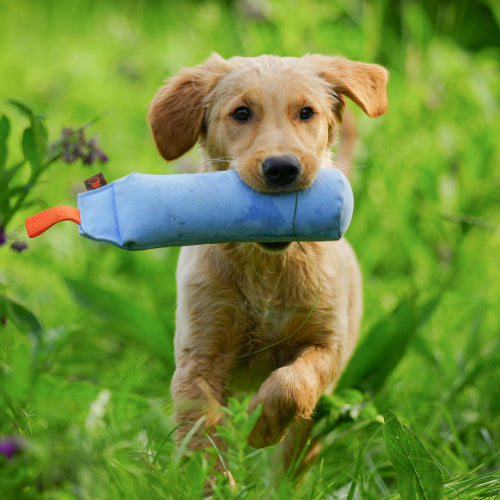
Play with real engagement — tug, chase games, hide and seek with treats, anything that gets your dog's drive up and channels it toward you as the source of the fun — teaches your dog something that no amount of lead correction ever will: that being near you, watching you, working with you, is where the good things happen. A dog who has learned this in the sitting room or the back garden carries that lesson with them out the front door.
Short, high-energy play sessions — five to ten minutes, multiple times a day — where you are the one starting the game, controlling the game, and ending the game, build something that trainers call drive. Your dog starts to associate your presence and your attention with arousal, excitement, and reward. That association is the entire foundation of engagement-based walking. Without it, you're just managing a leash. With it, you're working with a dog who is already looking for you.
What Engagement Actually Looks Like
Engagement isn't your dog staring at you for the whole walk. That's not realistic and it's not even desirable — dogs need to sniff, explore, and be dogs. Engagement is a default behaviour: when nothing else is demanding their attention, your dog's natural setting is to check in with you, to notice where you are, to stay in loose orbit around you rather than charging ahead and forgetting you exist.
This default doesn't appear by accident. It's built the same way any habit is built — through repetition and reward, starting in an environment with almost no competition for your dog's attention, and then gradually adding distraction once the habit is solid.
Step 1: Build Engagement Indoors
Start in the calmest, most boring environment you have — a hallway, a quiet room. No lead yet. Play a short, high-energy game with your dog using a toy or a handful of high-value treats. The goal isn't a cue or a command. It's simply teaching your dog that engaging with you, here, right now, is the most rewarding option in the room.
Reward any voluntary check-in — your dog glancing at you, moving toward you, orienting their body in your direction — immediately and enthusiastically. You're not asking for anything. You're catching it when it happens and making it worth their while.
Step 2: Bring the Engagement Onto the Lead — Still Indoors
Once your dog is reliably checking in with you during play, attach the lead — but don't go anywhere yet. Let your dog feel the lead while you continue the same engagement game in the same low-distraction space. The lead becomes part of a fun, rewarding context before it's ever part of a walk.
This step matters more than it looks like it should. Most dogs only ever experience the lead as the precursor to 'go outside and pull toward everything'. By pairing the lead with play and engagement first, you're rewriting that association before distraction ever enters the picture.
Step 3: Take the Game Outside — Garden or Quiet Space
Move to your garden or another low-distraction outdoor space, lead attached. Play the same engagement game. Reward check-ins. Keep sessions short and end on a high note, before your dog's attention naturally drifts.
You're not walking anywhere yet. You're proving that the engagement built indoors survives the transition outdoors — that your dog can still find you more interesting than a slightly more stimulating environment. If engagement drops off here, that's useful information: it means the foundation needs more repetition before adding the complexity of an actual walk.
Step 4: Walk With Engagement as the Default
Now you walk — but every check-in your dog offers, every glance back, every moment of loose-lead attention, gets marked and rewarded generously. You're not waiting for pulling to happen and reacting to it. You're catching and reinforcing the behaviour you actually want before the alternative even has a chance to take hold.
If your dog does pull, simply stop. No correction, no drama — just a pause in forward motion until the lead goes slack again, exactly as you'd expect from any loose-lead approach. But the difference here is what's happening the rest of the time: instead of a dog who is merely tolerating the lead and avoiding tension, you have a dog who is actively orienting toward you because that's the pattern you built from day one.
Step 5: Proof the Default in Distracting Environments
Once engagement is solid on quiet walks, gradually introduce more challenging environments — busier streets, parks, areas with other dogs. Distraction will pull your dog's attention away more often here, and that's expected. Increase the value of your rewards to match the difficulty, and don't be afraid to step back to an easier environment if engagement collapses. You're not failing — you're finding the edge of what's currently solid, which tells you exactly where to keep building.
Over time, with consistent reinforcement, the same default behaviour you built in the hallway — check in with the handler, stay in loose orbit, find the handler more interesting than the noise — starts to hold even in genuinely distracting places. That's the real win. Not a dog who's been taught a rule about lead tension, but a dog whose first instinct, even in a busy environment, is to look for you.
Why This Approach Tends to Last
Purely mechanical loose-lead methods — stop when the lead tightens, reward when it's slack — absolutely work, and they're a perfectly valid place to start. But they teach a rule about the lead. Engagement-based training teaches a relationship. The first produces a dog who avoids tension. The second produces a dog who actively prefers to be near you, with or without the lead at all.
That's also why this approach tends to hold up better under real distraction. A dog who has simply learned 'tight lead means stop' can still find pulling worth it if the distraction is strong enough — the rule competes with the temptation, and sometimes temptation wins. A dog who has built real engagement with their handler isn't just following a rule. They're choosing where their attention goes, and you've spent weeks making sure that choice points back to you.
How Harness Fit Supports the Approach
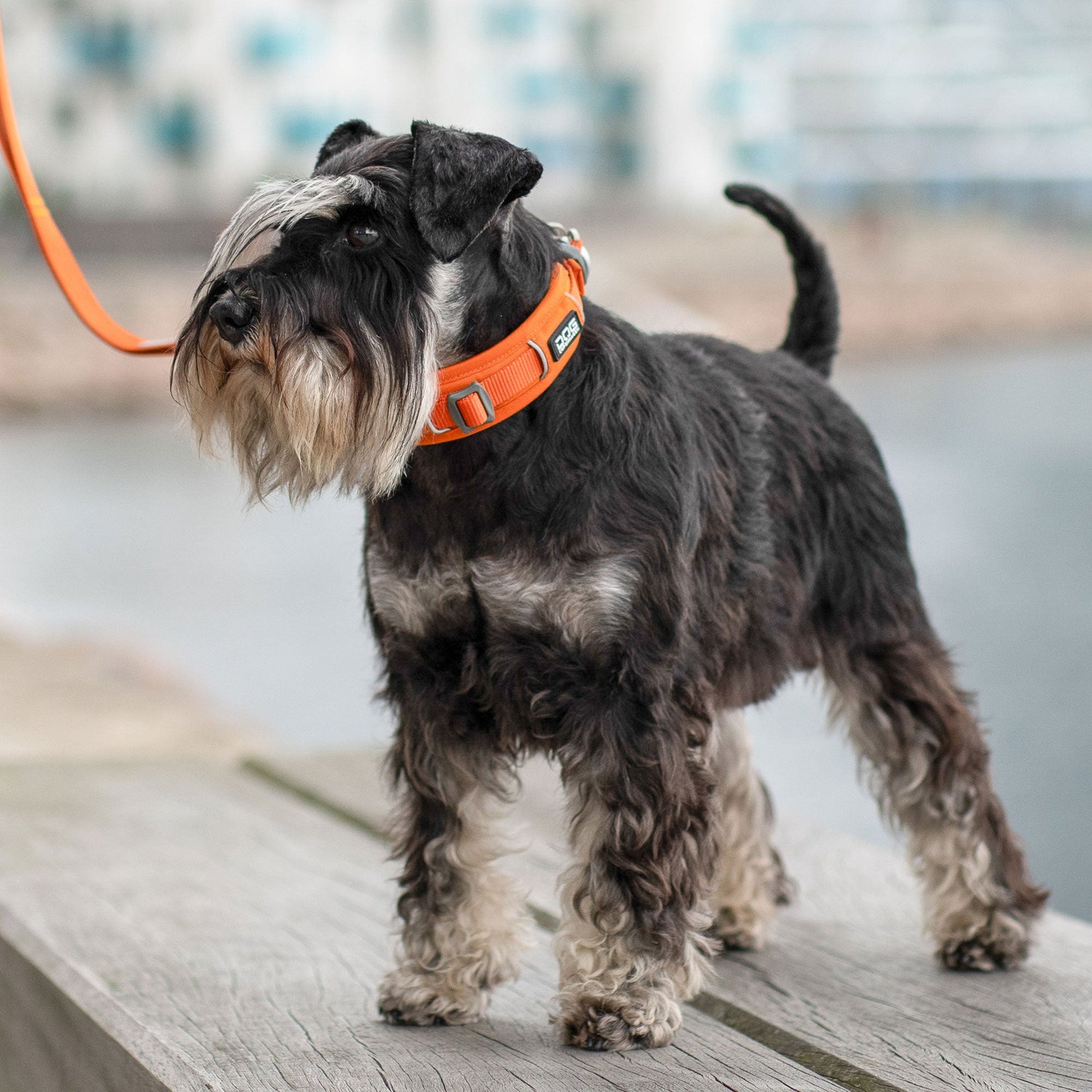
Equipment still matters here, even though the core of this method is relational rather than mechanical. A well-fitted harness that allows full freedom of shoulder movement keeps your dog physically comfortable enough to focus on engagement rather than discomfort. A front-clip harness can also make the early stop-on-tension moments gentler and easier to manage while the engagement habit is still being built.
At Dogs Shop Ireland, the harness range includes options from DOG Copenhagen — a Danish brand known for premium design and correct fit across different body types, supporting comfortable movement during both play and walks.
The Right Treats for Building Drive
Because this method relies heavily on play and high-value reward to build genuine drive and engagement, treat choice matters. You want something your dog finds worth working for — aromatic, fast to deliver, and reserved largely for these engagement sessions so it retains its value.
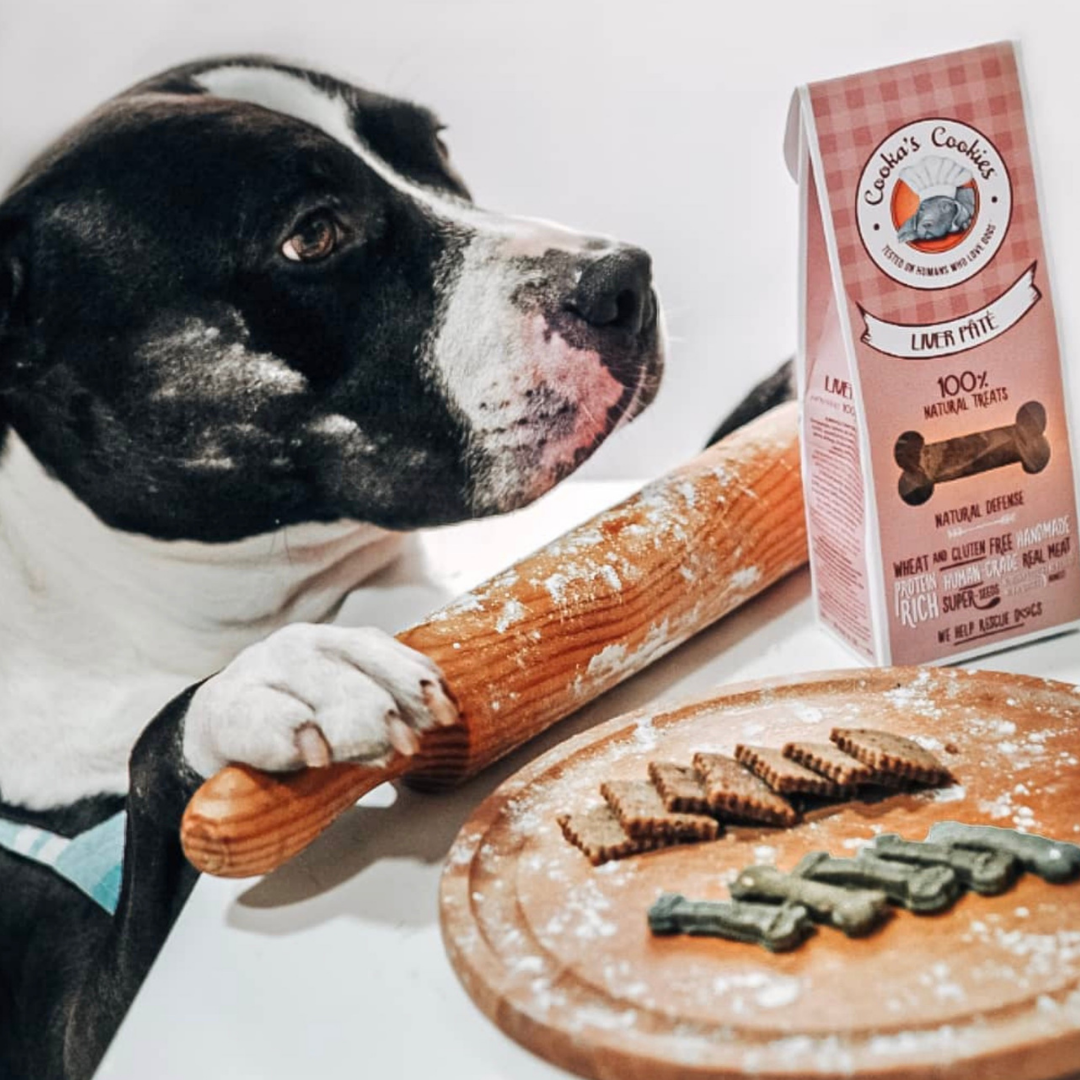
Try Cooka's Cookies Beef Puffs (€5.20) — high-protein, very low fat, and intensely aromatic, ideal for the frequent, rapid rewarding that engagement-building sessions require. Keep them close at hand with a Dog Treat Bag so reward timing stays sharp during both indoor play and outdoor walks. For dogs who respond more to toy drive than food, browse the Dog Harness range for comfortable, well-fitted options that support free movement during play.
Frequently Asked Questions
How is this different from normal loose-lead training?
Standard loose-lead methods focus on the mechanics of the lead itself — stopping when it tightens, rewarding when it's slack. This approach starts earlier, by building a genuine relationship and drive through play before the lead is ever involved, so that your dog's default instinct is to engage with you rather than simply avoid lead tension. The lead-handling principles are similar, but the foundation underneath them is different.
How long does it take before I see results?
Engagement built through play can show up within days indoors, but transferring that engagement reliably onto outdoor walks, especially in distracting environments, typically takes several weeks of consistent short sessions. Dogs vary — high-drive breeds often build engagement quickly through play; calmer dogs may need more repetition. Patience in the early indoor stages pays off significantly once you move outdoors.
My dog isn't very playful. Will this still work?
Yes, though the process may take longer. Not every dog has an obvious play drive at first, particularly dogs who haven't had much structured play before. Start with very short, low-pressure sessions and notice what genuinely excites your dog, whether that's a toy, a particular treat, or simply movement and chase games. Drive can be built gradually in almost any dog with patience and the right starting point.
Do I still need a harness if I'm building engagement this way?
Yes. Engagement reduces how often you'll need to manage lead tension, but a well-fitted harness still matters for comfort and safety, and a front-clip option can make the occasional stop-on-tension moment easier to handle while the habit is still developing.
Where can I buy training treats and harnesses in Ireland?
Dogs Shop Ireland, based in Rathangan, Co. Kildare, stocks training treats and harnesses with nationwide delivery to dog owners in Dublin, Cork, Galway, Limerick, Waterford, Kilkenny, Sligo, Drogheda, Naas, Navan, Ennis and Tralee. Visit dogs-shop.ie.
Proudly serving dog owners across Dublin, Cork, Galway, Limerick, Waterford and all of Ireland from our Rathangan shop, with fast nationwide delivery.