
7 Brilliant Indoor Activities Your Bored Dog Will Love
Share
Ireland averages approximately 150 rainy days per year. That is almost five months of your dog staring at the back door with the expression of a life coach who has just been stood up. You know the look. The one that says: "We had plans. I had plans. And now look at you, in socks, eating toast."
Here is the genuinely good news: a bored dog does not have to stay bored just because the weather is miserable. Physical exercise and mental tiredness are not the same thing. With the right supervised activities, quality interactive dog toys, and high-value natural treats, your dog can be completely spent and ready for a long satisfied nap without ever setting paw outside.
1. Supervised Puzzle Feeder Session
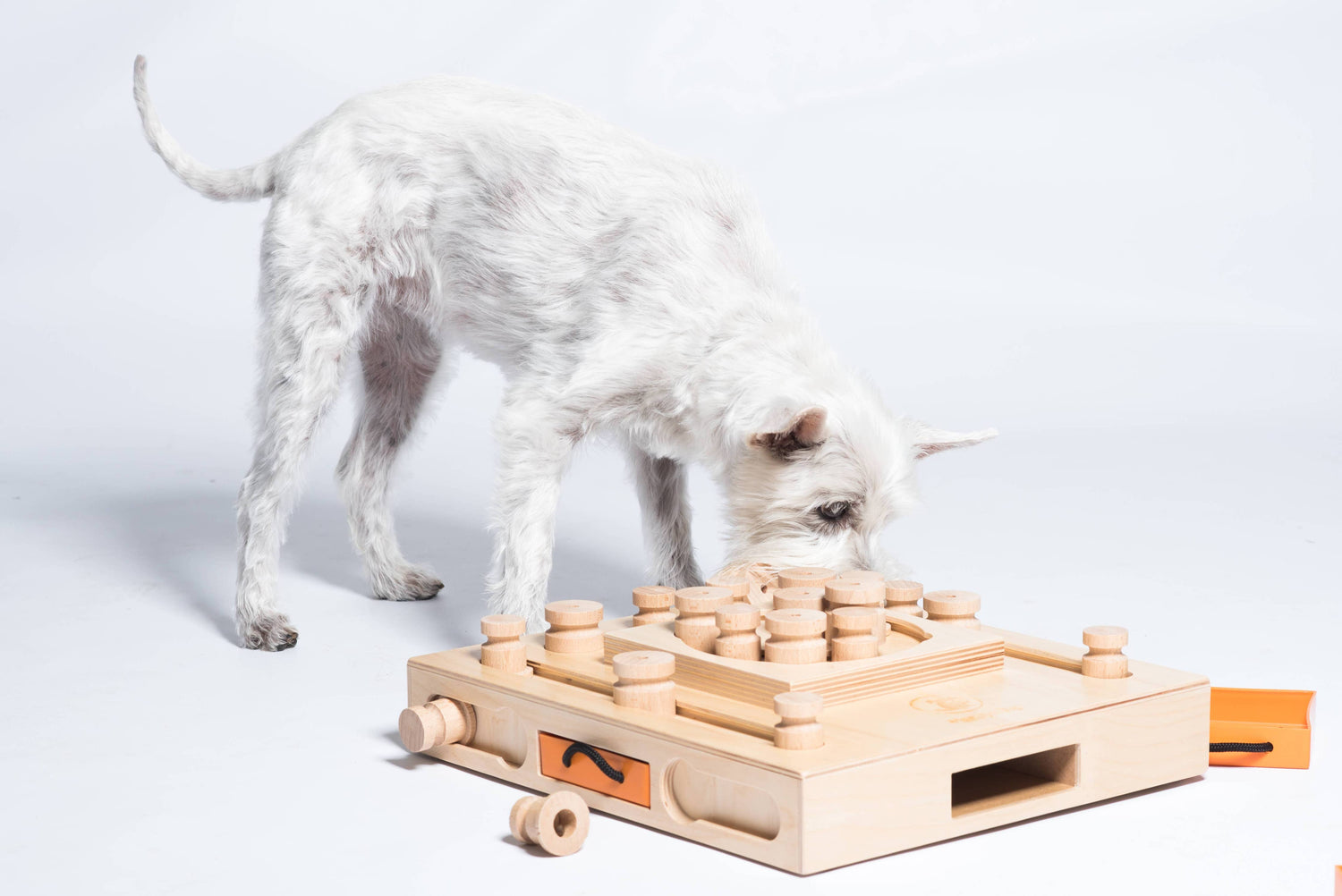
For bored dogs across Ireland, the single most effective indoor activity is a supervised interactive puzzle feeder session. Load a My Intelligent Dogs wooden puzzle with natural treats, sit with your dog, and present it at your usual walk time with the same cue. The routine signal still fires — something rewarding is happening — just indoors.
Always supervise puzzle sessions. Never leave your dog alone with a puzzle feeder. Sit with your dog throughout, encourage verbally, guide when needed, and end the session positively every time. A supervised session produces dramatically better results and is significantly safer than unsupervised use.
Load with: Lamb Meat Nuggets (€5.20) (broken to puzzle size) — dense, aromatic, and worth the effort of working through multiple compartments in a supervised session.
2. Scatter Feeding in the Garden
Scatter natural treats across the garden, into leaf piles, or among plants and let your dog's nose go to work. Dogs are more effective nose-workers in light rain — damp air carries scent molecules more efficiently. Always supervise scatter feeding sessions, particularly with puppies, fast eaters, or dogs who might eat non-food items from the garden.
Best for scatter: Air-Dried Turkey Chunks (€4.50) (broken small) — warm protein scent carries well outdoors and pieces land and sit in grass without blowing away.
3. The Muffin Tin Game
Cover the cups of a standard muffin tin with tennis balls or rolled-up socks. Hide natural treats under some of the cups — not all — and let your dog sniff out which ones contain the reward. Supervise throughout: ensure your dog isn't chewing or swallowing the tennis balls or socks. Start with treats under every cup to teach the game, then reduce the number to increase difficulty.
Setup: under 60 seconds. Result: a focused dog who has simultaneously engaged their nose, problem-solving ability, and impulse control.
4. Training Session with Natural Treats
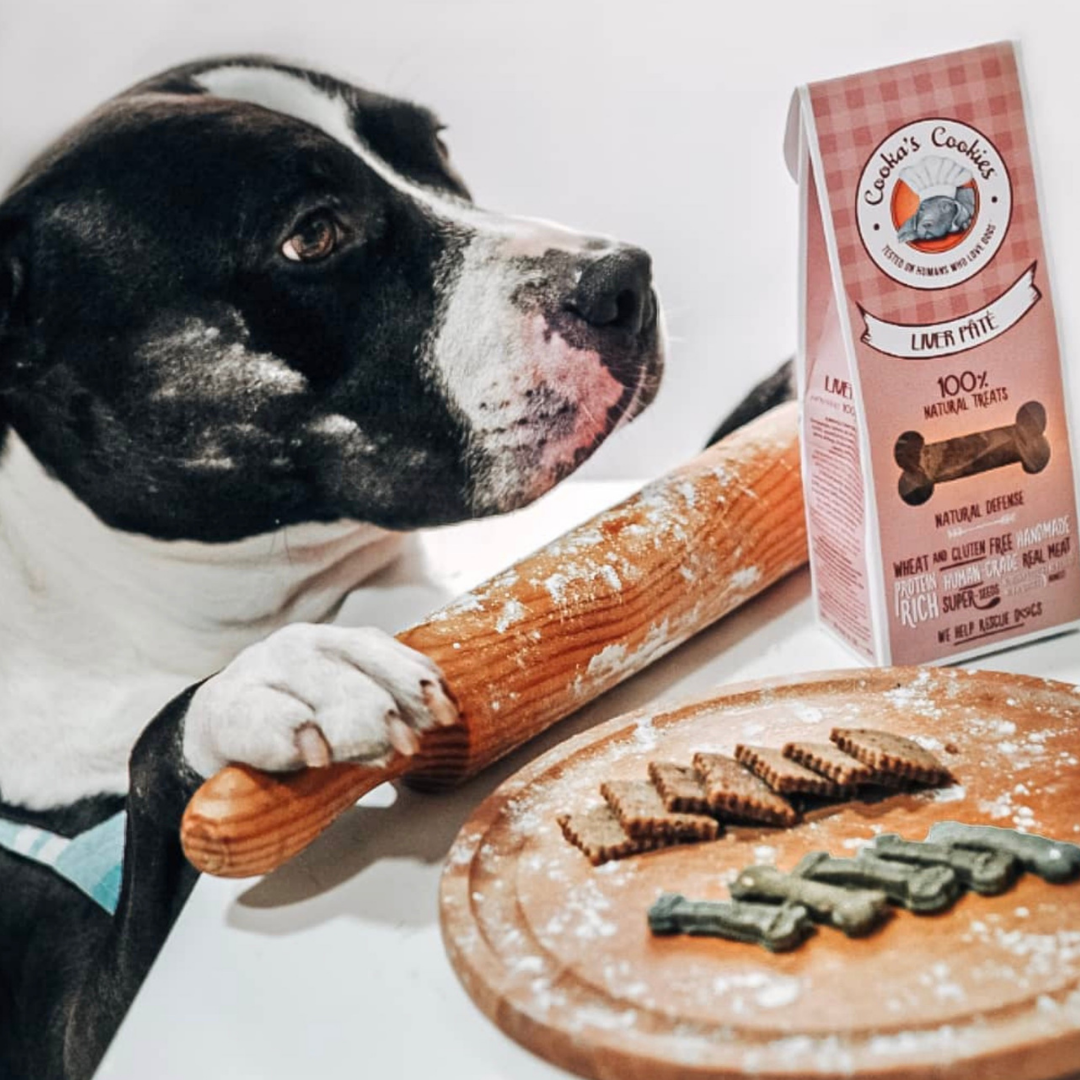
A focused 10-minute training session is more mentally tiring than 40 minutes of physical exercise in many cases. Teaching a new cue, refreshing an existing skill, or working on calm settle behaviour engages the brain's decision-making regions intensely. Natural treats are essential — their authentic aroma drives motivation and clarity of reward.
Training treat: Salmon & Lamb Bites — Buzzy Snack (€3.00) — small, high-protein, single-ingredient. The salmon scent communicates high value instantly, exactly what you need for rapid, clear reward in a training sequence with your bored dog.
5. The Shell Game
Three identical cups or bowls. Show the natural treat. Cover it under one cup while your dog watches. Shuffle slowly. Let them sniff and indicate the correct cup. Reward generously on success. Supervise throughout to keep the game fair and positive.
As your dog's skills develop: shuffle faster, add more cups, or load without showing them first. This builds working memory, impulse control, and problem-solving under mild uncertainty — skills that transfer directly to everyday behaviour. Dogs who excel at the shell game are almost always dogs who engage brilliantly with puzzle feeders too.
6. Structured Tug Play
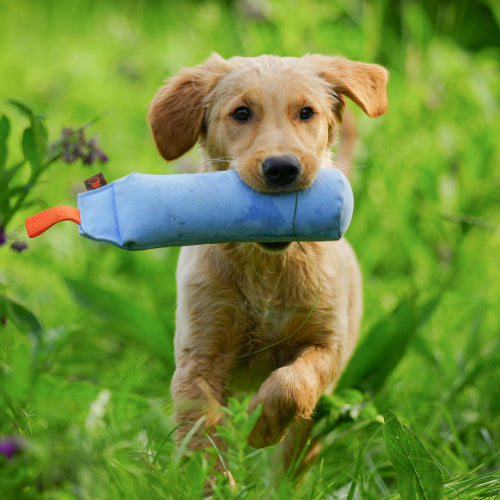
Tug done well is not rough play — it is an impulse control exercise with clear rules. The rules: tug only on your clear invitation, release on a verbal cue, wait calmly between rounds. This structure engages focus and self-regulation during arousal — skills that transfer directly to everyday calm behaviour. Keep sessions to 5–10 minutes. Always close with a calm sit and a small natural treat to mark the end of arousal and the beginning of rest.
Calm close: Lamb Bites — Merino Bites (€5.00) — low-intensity, easy to eat, the perfect signal to your dog that working mode is over and rest mode has begun.
7. Whole-House Nose Work: The Find It Game
While your dog waits in another room, hide several small natural treats around the house. Under the edge of a sofa cushion. Behind a plant pot. On a low shelf. Tucked in a boot. Release with a consistent cue — "Find it!" — and supervise throughout as your dog works. Stay in the room or move through the house with them, watching the search and celebrating every find.
Best Find It treat: Duck Meat Nuggets (€5.20) (broken small) — dense enough not to shift once hidden, aromatic enough to be tracked from the next room during a supervised search.
Building a Rainy Day Routine Your Bored Dog Will Look Forward To
- 10–15 minutes: supervised puzzle feeder session (formal, at usual walk time, same cue each day)
- 10 minutes: training session with natural treats (two or three cues, rapid-fire reward)
- 10–15 minutes: supervised nose work or Find It game (independent focus, confidence-building)
- Close: a supervised natural long-lasting chew. Pork Spawghetti (€5.50) for medium dogs or Oxtail (€5.95) for large dogs. Chewing releases calming endorphins and teaches your dog that enrichment always ends with settled, calm rest. Always supervise chewing.
Run this for several rainy days in a row and notice the shift. Your bored dog settles faster between activities, recovers from arousal more smoothly, and stops searching for something inappropriate to do.
Frequently Asked Questions
Can indoor activities really replace a walk for a bored dog?
On occasional rainy days in Ireland, a well-planned supervised indoor enrichment session produces comparable mental fatigue to a moderate walk. Physical exercise, fresh air, and outdoor sensory experience are long-term needs that indoor enrichment cannot fully substitute. But 150 days a year, 40 minutes of supervised puzzle feeder, training with natural treats, and nose work will leave most bored dogs as settled and content as a walk would have.
Do all of these activities need to be supervised?
Yes. Every interactive dog toy session and nose work game should be fully supervised. Sit with your dog during puzzle sessions, stay present during the shell game and the Find It game, and supervise tug play throughout. Supervision makes every activity safer and more effective. It also lets you step in immediately if anything goes wrong, and makes every session a bonding experience rather than an isolated one.
My dog is too hyperactive to settle for a puzzle toy. Where do I start?
Start with a physical engagement activity first — structured tug play or scatter feeding in the garden — to take the edge off the initial arousal. Then introduce the supervised puzzle feeder when your dog is slightly calmer. Dogs who are initially too excited for puzzles typically become enthusiastic and focused puzzle solvers within two to three weeks of consistent supervised practice.
At what age can I start these activities with my dog?
From the day your dog arrives home, under close supervision. Scatter feeding and simple nose work can begin at 8 weeks. Supervised puzzle feeders at the easiest level can be introduced from 8–10 weeks with very soft, small natural treats. Training sessions can start from day one. We serve dog owners across Dublin, Kildare, Meath, Wicklow and all of Leinster from our Rathangan shop at Dogs-shop.ie, with fast nationwide delivery on all orders.